
Meta released Muse Spark 1.1 this week as a paid AI model, and the move is significant because it means Meta is willing to compete on price and capability, not just platform reach.
Muse Spark 1.1 is built for multi-agent workflows and coding, positioned directly against Claude and GPT-5.5. Mark Zuckerberg called it a strong model at a very low price, which is Meta’s actual play here: undercut the pricing and make it attractive for builders who are locked into subscriptions with OpenAI or Anthropic.
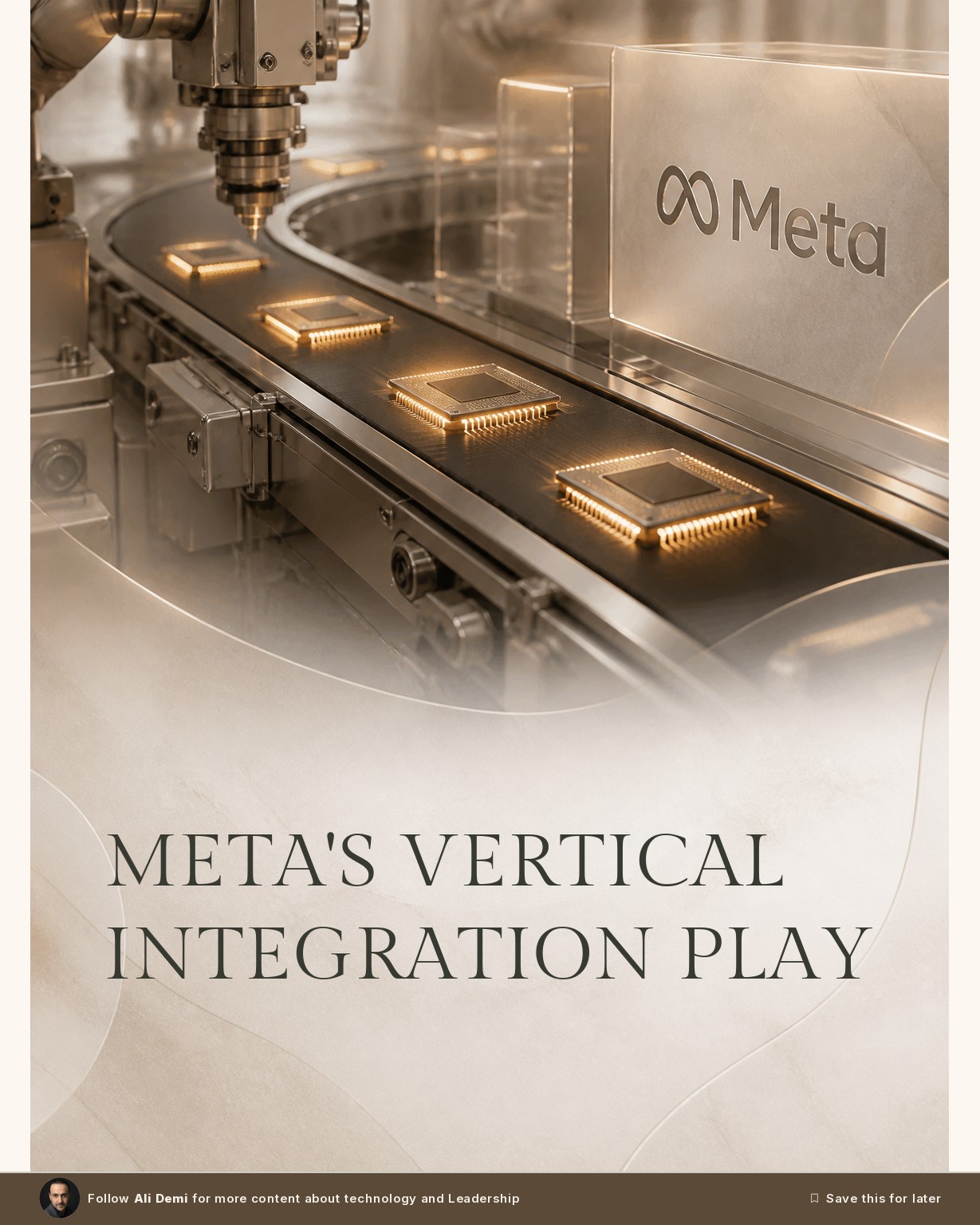
The timing matters. At the same time, Meta announced that its custom chip, Iris, starts manufacturing in September. That chip will boost Meta’s compute to 14 gigawatts by 2027. That’s not theory. That’s infrastructure.
What Meta is actually saying is: We’re done waiting for Nvidia and AMD to decide our future. We’re building the chip, we’re building the model, we’re pricing it to compete, and we’re moving our own metal. That’s a vertical integration play that only Google and Anthropic have the resources to match.
This doesn’t kill OpenAI or Anthropic. It changes the competitive shape. Budget-conscious teams now have a real alternative. Developers who want to avoid vendor lock have more leverage. And the price floor for frontier models just dropped.
The thing I watch for next: how fast Iris reaches scale. If Meta can actually ship 14 gigawatts by 2027 and keep Muse Spark competitive, that’s a genuine shift in who controls the compute pie.
——
Follow: @Ali Demi
Book your free AI clarity call, NOW!
https://buff.ly/TpWy277
——
Sources:
https://money.usnews.com/investing/news/articles/2026-07-09/meta-debuts-muse-spark-1-1-with-preview-open-to-developers
https://techcrunch.com/2026/07/09/metas-new-ai-chips-will-begin-production-in-september/
https://invezz.com/news/2026/07/09/meta-stock-rises-as-ai-chip-plans-and-muse-spark-1-1-rollout-take-focus/
Repost this. Thanks.